Yes. Christians can fully be Christian and still experience trauma.
Trauma is a human response to overwhelming, threatening, or deeply wounding events (violence, abuse, loss, betrayal, disaster, chronic harm, etc.). Faith does not grant immunity to it. Christian belief centers on a God who entered human suffering (the Incarnation and the Cross), who is present with the brokenhearted, and who works redemptively in and through pain—not a guarantee that pain will be avoided.
Scripture is full of traumatized people of faith: Job’s catastrophic losses and physical/emotional anguish, David’s psalms of abandonment and terror, the prophets’ grief and persecution, Paul’s beatings and shipwrecks, and the disciples’ fear and confusion after the crucifixion. Jesus himself is described as a “man of sorrows” acquainted with grief. Trauma does not disqualify someone from belonging to Christ; it is part of the human condition that the gospel addresses.
A healthy Christian response holds both realities at once: the legitimacy of trauma’s effects (on body, mind, emotions, relationships, and sometimes even one’s felt experience of God) and the resources of faith—Scripture, prayer, lament, community, forgiveness work, and the hope of restoration—without spiritualizing away the need for practical help, counseling, or time to heal. Many believers find that trauma can challenge, refine, or even deepen faith rather than cancel it.
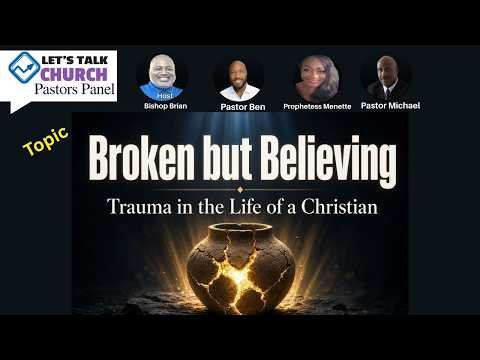
Broken but Believing: Trauma in the Life of a Christian
Leave a Reply